East African vs West African Shea Butter
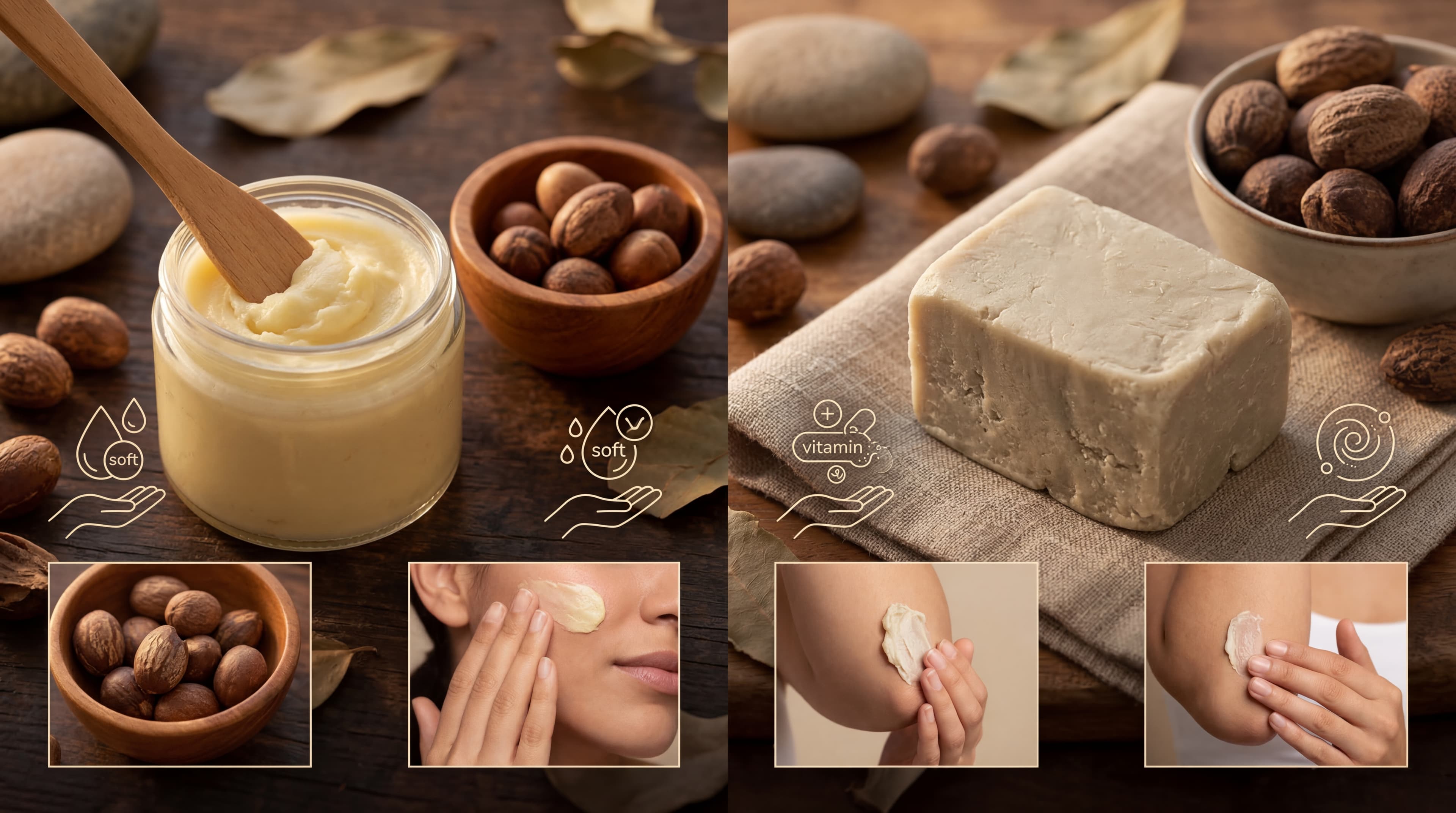
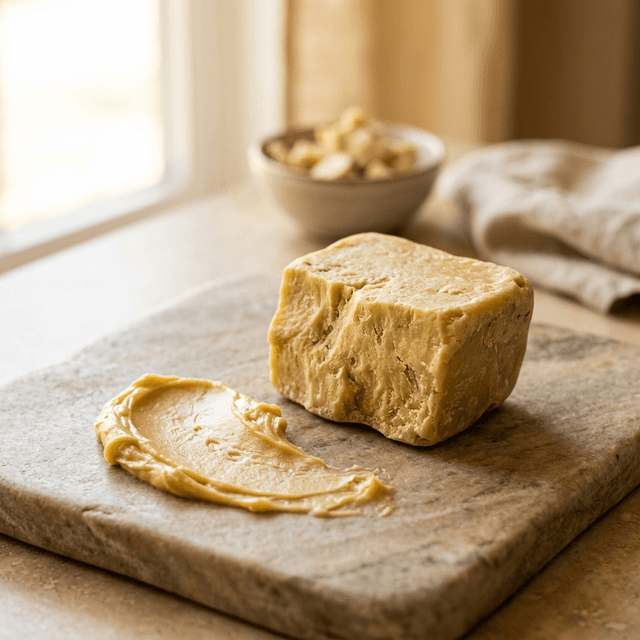
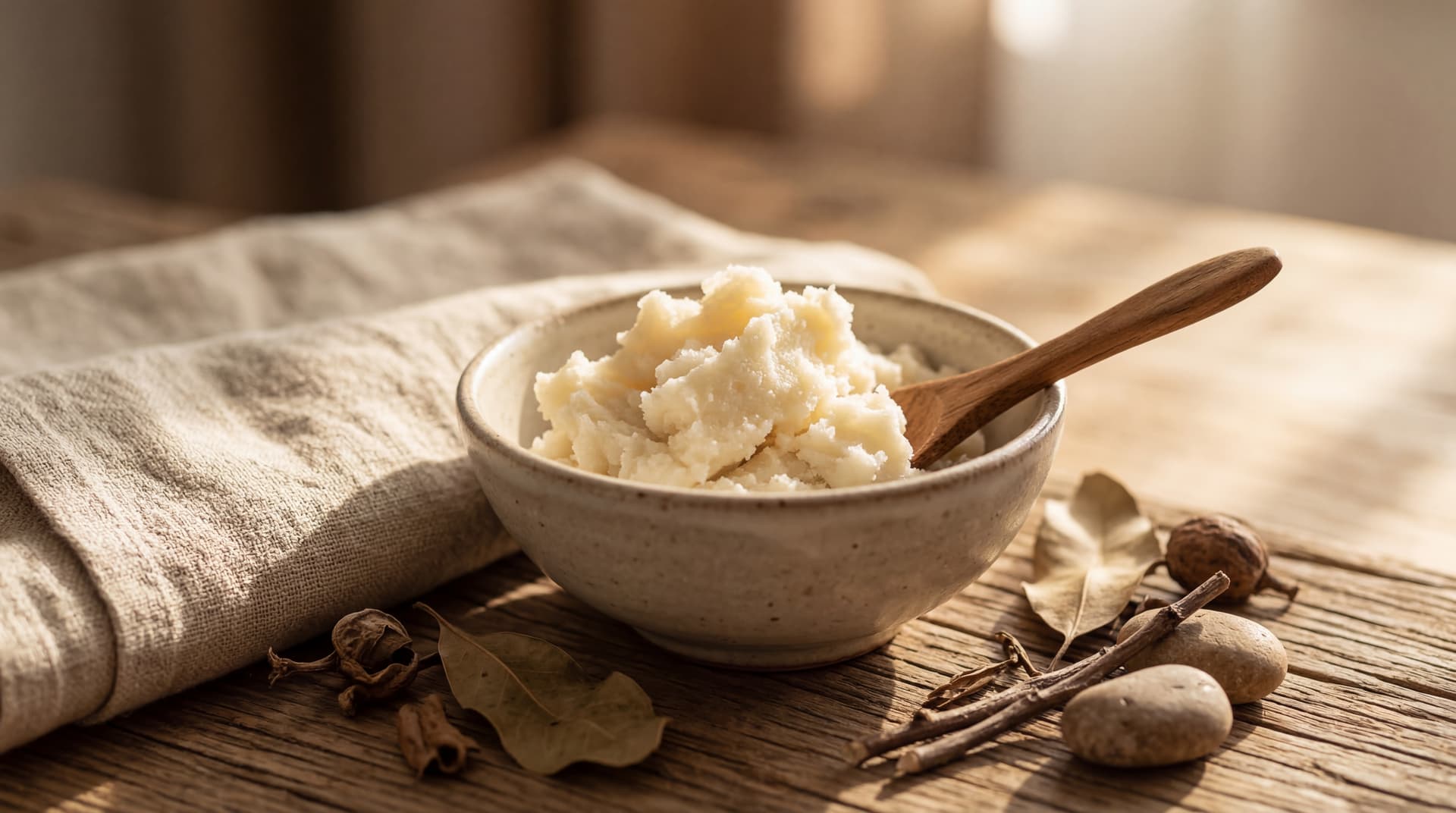
West African shea butter comes from Vitellaria paradoxa and is the global standard with well-documented benefits. East African shea, also called nilotica shea, comes from Vitellaria nilotica and has a softer texture, higher oleic acid content, and absorbs faster. Nilotica shea is considered superior for fine-textured skin, but both are highly nourishing.
East African vs West African Shea Butter: Key Differences
Choosing between east african and west african shea butter depends on your specific needs, skin type, and goals. Both are popular natural ingredients, but they differ significantly in composition, texture, and therapeutic benefits.
West African shea butter comes from Vitellaria paradoxa and is the global standard with well-documented benefits. East African shea, also called nilotica shea, comes from Vitellaria nilotica and has a softer texture, higher oleic acid content, and absorbs faster. Nilotica shea is considered superior for fine-textured skin, but both are highly nourishing.
Understanding these differences helps you make an informed choice — or decide to use both strategically in your routine.
Sign in to continue reading
Create a free account to unlock all 200+ shea butter guides, recipes, and expert tips.
Continue with GoogleFree forever. No credit card required.

Explore More Guides
Loved this guide? We have hundreds more — recipes, skincare tips, and everything shea butter.
Free to read — just sign in with Google.